Blog
What Is the Difference Between a Coat and a Jacket?[Mystery Solved]


A dreamy winter morning, hot coffee in hand, you want to get out of the home after finishing your coffee. So you walk towards your wardrobe. After opening your closets, you can see your favorite goose down jacket & your precise coat are hanging on the hanger. But you are facing the same dilemma as before that should I wear a coat or a jacket standing in front of the wardrobe? But you couldn’t find the answer yet.
Outerwear defines not just your comfort but also your style statement during colder months. Choosing the right outerwear becomes more than just a fashion decision; it’s about balancing warmth, comfort, and style. Many people confuse coats and jackets, especially women. Yet many women still ask the same question: What is the difference between a coat and a jacket? At first glance, they might look interchangeable—but trust me, they’re not. A coat isn’t just a “longer jacket,” and a jacket isn’t just a “shorter coat.”
So let’s settle the debate once and for all: what is the difference between a coat and a jacket? In this guide, we’ll break down coats vs. jackets from every aspect, explore their defining features from button placement to fabric composition, including fit, cut, fabric, length, design, function and even the activities each one suits best and reveal how each piece elevates your look for different seasons and occasions. In the end, you will never again be confused about your winter outfit, whether to choose your favorite jacket or your timeless coat.
What Is a Jacket?
A jacket is typically a short, lightweight outerwear piece designed for winter. Jackets are easy to slip on, packable, and often versatile for everyday wear. You can spot a jacket by its length (waist to hip), slim cut, and functional details like zippers.
Common features of jackets:
- Waist or hip-length design
- Slimmer fit for mobility
- Often sporty, casual, or trendy
- Great for layering over lighter clothing
Example: A drop cropped goose down puffer jacket is perfect for a quick coffee run or an outdoor concert.
What Is a Coat?
A coat is longer, heavier, and designed for extreme cold. Coats usually fall below the hip, often reaching mid-thigh or even the ankle. They’re structured, sometimes formal, and often layered over bulkier clothing.
Common features of coats:
- Mid-thigh to ankle length
- Thicker, heavier materials like wool or tweed
- Often tailored for layering
- More formal or timeless in style
Example: A wool trench coat makes a statement at a winter wedding or evening event.
Is a Coat and a Jacket the Same Thing?
Many women wonder: are jackets and coats the same thing? The short answer is no. Although both are outerwear, their length, weight, and purpose differ significantly. A jacket suits transitional seasons like spring and fall, while a coat thrives in deep winter. Both protect you, but the choice depends on climate, activity, and occasion. Understanding this distinction helps you decide when to invest in a cropped goose down jacket versus when a full-length coat is essential.
Both are outerwear, both provide warmth, and both can be stylish. But the truth is—they serve different purposes.
- Jackets: Best for mobility, mild weather, and casual wear.
- Coats: Best for layering, extreme cold, and formal settings.
Final decision: No, they are not the same thing. Jackets are versatile for daily wear, but coats are your ultimate shield against freezing weather.
What Is the Difference Between a Coat and a Jacket?
The answer lies in the details. From button placement to fabrics, here’s how these outerwear icons separate themselves.
Differences Between Coat and Jacket Based on Button Placement
Button placement can tell you a lot about whether you’re looking at a coat or a jacket.
Jackets: Jackets often rely on zippers, snaps, or minimal buttons. The zipper is a hallmark feature—it offers quick fastening and sporty appeal. Cropped hems paired with zippers highlight a youthful, modern style. Brightly colored zippers or asymmetrical closures often add a trendy edge.
Coats: Coats usually feature structured, symmetrical button closures. These buttons often run the full length of the coat, emphasizing a polished, formal look. Coats may also use belts or double-breasted button placements to highlight elegance and tradition.
Why it matters: Zippers make jackets practical for active lifestyles, while buttoned coats are better suited for professional or evening wear.
Differences Between Coat and Jacket Based on Style
Style is often the first thing people notice—and coats and jackets follow different fashion paths.
- Jackets: Jackets lean into trendy, sporty, cropped, or casual designs. For example, a bomber jacket offers a relaxed streetwear look, while a cropped puffer adds both style and warmth. Denim and leather jackets define edgy, casual fashion. Jackets also often play with bold colors, patches, or modern tailoring to attract younger fashion-conscious audiences.
- Coats: Coats tend to be structured, long, and more formal. A wool coat or trench coat often adds sophistication and is perfect for business or evening events. Coats emphasize elegance and tradition, focusing less on boldness and more on timeless appeal.
Real-life example: Wear a cropped puffer jacket to meet friends at a café, but choose a long wool coat for a formal winter gala.
Differences Between Jackets and Coats Based On Fit And Cut
The cut of the garment also defines whether it’s a jacket or coat.
- Jackets: Jackets are typically slim, body-hugging, or cropped. Their short cut (ending at the waist or hip) makes them flattering and easy to move in. Women’s goose down jackets, for example, contour the body while still allowing flexibility.
- Coats: Coats are looser and tailored for layering. They’re designed to be worn over thicker clothing such as knitwear or blazers. Their cut emphasizes structure and coverage instead of mobility.
A cropped shirt jacket enhances a casual outfit with shape, while a wool overcoat layers effortlessly over office wear
Differences Between Coat and Jacket Based On Length
Length is one of the most obvious differences.
- Jackets: Generally end at the waist or hips. This shorter length makes them perfect for driving, travel, and casual movement.
- Coats: Extend from the mid-thigh to the ankle. This extra length provides protection from snow, wind, and rain.
Why it matters: Longer garments are better for harsh weather, while shorter ones allow ease of movement.
Differences Between Coat and Jacket Based On Material And Patterns
The choice of fabric speaks volumes about purpose.
- Jackets: Jackets often use lighter, flexible materials like nylon, technical synthetics, denim, or goose down insulation. They may also feature bold patterns, bright colors, or experimental designs. For example, a goose down puffer combines performance with modern quilted stitching, keeping you warm without bulk.
- Coats: Coats are generally made from heavier, structured fabrics like wool, tweed, or thick blends. Patterns lean toward timeless and traditional—think plaid, herringbone, or solid neutrals. These materials emphasize formality and durability for long-term wear.
A patterned wool duffle coat offers heritage style, while a glossy goose down jacket highlights modern performance wear.
Differences Between Coat and Jacket Based On Details And Embellishments
Details make or break the style of outerwear.
- Jackets: Jackets experiment with zippers, cropped hems, and bold colors. Zippers highlight functionality, cropped hems create a trendy silhouette, and bold colors add personality. Patches or logos often appear on bomber jackets or puffers, appealing to streetwear fashion.
- Coats: Coats rely on classic details like buttons, belts, structured collars, and traditional embellishments. Belts define the waistline, buttons emphasize formality, and collars add sophistication. Patterns such as plaid or herringbone keep the coat timeless.
Why it matters: Jackets use details to express trend and identity, while coats emphasize structure and tradition.
Differences Between Coat and Jacket Based On Activities
Outerwear is always chosen with lifestyle in mind. A jacket or coat can make or break your comfort depending on whether you’re skiing down a slope, attending a cocktail party, or simply driving to work. Here’s how jackets and coats differ when it comes to real-life activities.
Differences Based On Sports
Sports and movement demand flexibility, warmth, and breathability.
- Jackets: Jackets shine in sports because of their lightweight design, shorter length, and technical fabrics. Ski jackets, for example, often use waterproof materials with goose down or synthetic fill for insulation. Cropped puffers are ideal for brisk runs or outdoor workouts because they keep the core warm without restricting the legs. Softshell jackets or packable puffers also work well for hiking or cycling, balancing comfort and weather protection.
- Coats: Coats are rarely chosen for sports because their longer length and heavier weight can restrict movement. While they provide excellent warmth, they aren’t designed for fast-paced activity.
Key takeaway: Jackets are best for skiing, hiking, or active sports, while coats stay on the sidelines.
Differences Based On Outdoor Activities
Outdoor adventures require functional, adaptable clothing that can handle different terrains and conditions.
- Jackets: Perfect for camping, hiking, and day trips, jackets combine practicality with insulation. Goose down puffers are lightweight enough to pack into a backpack yet warm enough for chilly nights by the fire. Technical jackets also resist wind and light rain, making them versatile for mixed conditions.
- Coats: Coats, being bulkier, are more suited for urban outdoor activities like city walks in the snow or leisurely winter strolls. A parka, for example, bridges the gap between jackets and coats, offering mobility and warmth in one.
Key takeaway: Choose jackets for adventure-based outdoor activities and coats for casual cold-weather outings in the city.
Differences Based On Traveling
Travel demands comfort, versatility, and packability.
- Jackets: Jackets are ideal for traveling by plane, train, or car because of their short length and lighter weight. A packable goose down jacket can be folded into luggage without taking much space. They also transition easily from day to night looks, making them versatile for different stops on your journey.
- Coats: Coats work best for longer stays in consistently cold destinations. If you’re spending a winter holiday in Scandinavia or New York City, a wool overcoat or long parka provides reliable warmth during extended time outdoors.
Key takeaway: Jackets are practical for short trips and transit; coats shine in long-stay destinations with severe winters.
Differences Based On Party Participation
Outerwear plays a huge role in styling for parties and social events.
- Jackets: A chic cropped puffer or leather jacket makes a stylish statement at casual gatherings. Jackets with bold details—like metallic zippers or glossy finishes—pair well with night-out outfits while keeping you warm.
- Coats: For elegant events or formal parties, coats are the obvious choice. A wool coat, trench, or long belted coat adds sophistication without overpowering your outfit.
Key takeaway: Jackets keep parties fun and casual, while coats bring elegance to upscale events.
Differences Based On Nightlife
The distinction is sharp when it comes to nightlife.
- Jackets: Jackets are the go-to for clubs, casual bars, or concerts. They are easy to move in, stylish enough to complement trendy outfits, and light enough not to overheat indoors once removed. Cropped puffers and bomber jackets are particularly popular for this setting.
- Coats: Coats are perfect for formal nightlife—such as attending the opera, an upscale dinner, or a gala. Their structured silhouettes elevate evening wear and keep you warm when transitioning between indoor and outdoor settings.
Key takeaway: Jackets fit into casual nightlife, while coats belong to formal, polished evenings.
Differences Based On Driving
Practicality becomes the deciding factor when you’re behind the wheel.
- Jackets: Jackets are naturally suited for driving because of their short length. A cropped jacket allows you to sit comfortably without bunching at the waist. Materials like goose down or synthetics keep the torso warm while leaving arms free for movement.
- Coats: Coats can be bulky and inconvenient in the car, especially longer ones that restrict leg movement. However, tailored mid-length coats may still work for short drives in extremely cold weather.
Key takeaway: Jackets win for driving comfort; coats are better worn once you’ve arrived.
Differences Based On Vacation
Vacations combine fashion, function, and comfort, making outerwear choice crucial.
- Jackets: Jackets are excellent for winter sports vacations—think skiing in the Alps or snowboarding in Colorado. Lightweight goose down puffers are easy to pack and provide on-the-go warmth. They also fit casual sightseeing and active tourist schedules.
- Coats: Coats suit urban winter vacations—like spending a week in Copenhagen or Paris. A trench coat or wool overcoat keeps you warm and polished for museum visits, fine dining, or exploring festive Christmas markets.
Key takeaway: Jackets are perfect for active, sporty vacations, while coats define stylish city getaways
Differences Based on Types
Every coat and jacket carries its own identity. The style you choose doesn’t just determine warmth—it defines your entire winter look. Here’s a detailed breakdown of the most popular types of coats and jackets, along with their practical and fashion-forward uses.
Different Kinds of Coats
Each coat tells a story. Here’s your capsule guide:
Trench Coat
A trench coat is a long, belted coat traditionally made from cotton gabardine or waterproof fabric. It features a double-breasted front, shoulder epaulets, and often a storm flap, originally designed for military use. Today, trench coats remain timeless, perfect for rainy weather and transitional seasons. They add sophistication to office wear or casual jeans-and-tee outfits.
Overcoat
An overcoat is a long, tailored coat worn over suits or multiple layers in cold weather. Typically made of wool or cashmere blends, overcoats extend below the knee, offering maximum warmth. They’re ideal for business professionals or anyone seeking elegance in freezing winter conditions.
Pea Coat
A pea coat is a double-breasted, hip-length wool coat with broad lapels. Originating from naval uniforms, it is shorter than most coats, making it practical yet warm. Today, pea coats are loved for their versatility—stylish enough for city life yet functional for daily wear.
Parka
The parka is a heavy-duty coat designed for extreme cold. Often lined with down or faux fur and finished with a fur-trimmed hood, parkas are staples for sub-zero temperatures. They provide excellent insulation while maintaining mobility, making them a popular winter essential for everyday wear in very cold climates.
Duffle Coat
A duffle coat is a mid-thigh to knee-length coat recognized by its signature toggle fastenings and roomy hood. Traditionally made of thick wool, it’s casual yet cozy. Duffle coats strike a balance between playful and practical, perfect for casual urban wear.
Each type suits different occasions and weather, making coats versatile but often formal.
Different Kinds of Jackets
Jackets get playful, offering endless variety.
Goose Down Puffer Jackets
These are premium puffers filled with 100% goose down, known for being lightweight yet ultra-insulating. Goose down puffers are breathable and compressible, making them easy to pack while still offering supreme warmth. They’re excellent for travelers and anyone needing maximum warmth without bulk.
Drop Cropped Puffer Jackets
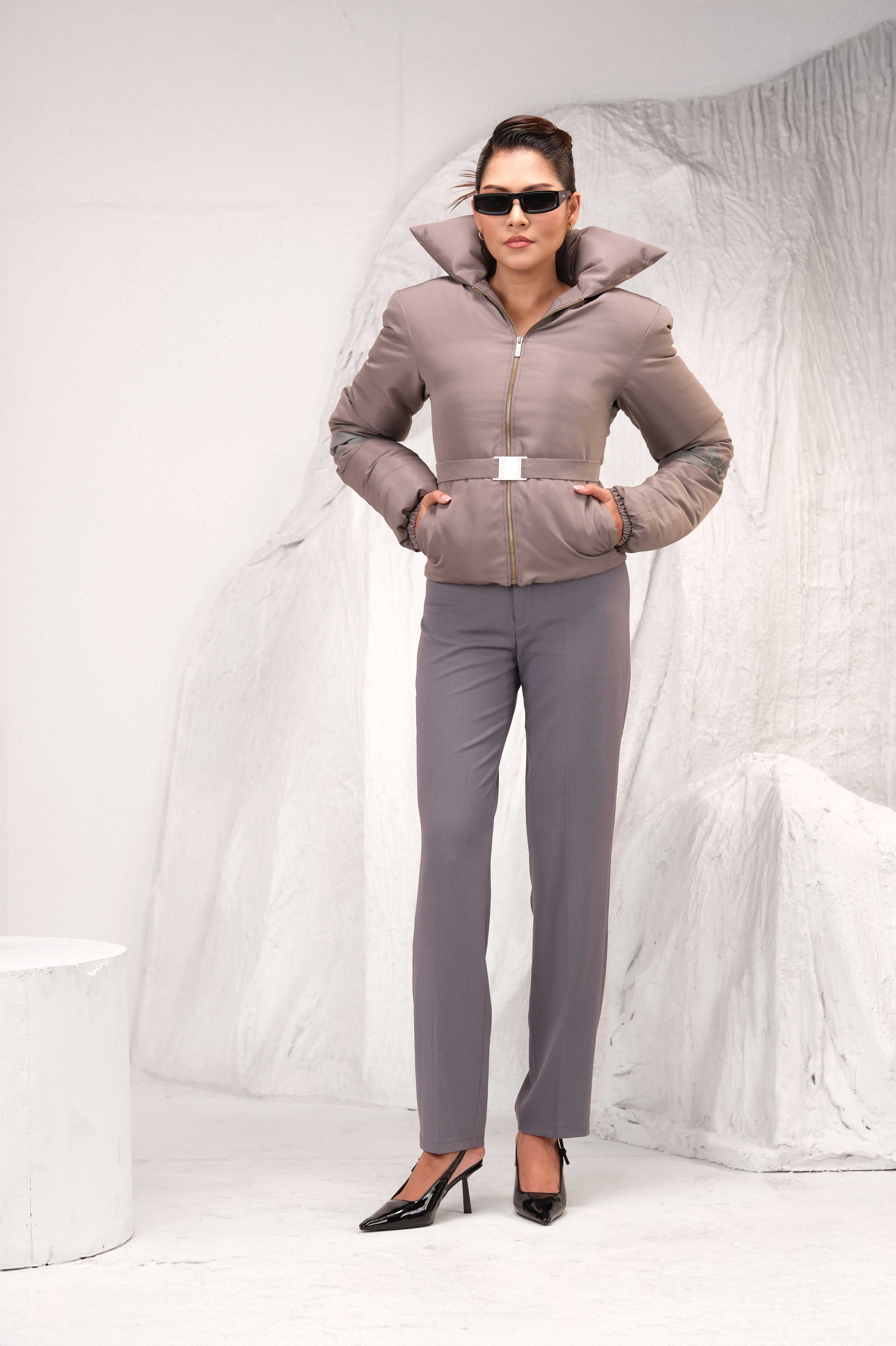
A drop cropped puffer jacket is a short, waist-length style with a modern silhouette. It focuses on both warmth and trendiness, often featuring oversized shoulders and a boxy cut. This style is perfect for women who want practicality for cold weather but also a fashion-forward statement piece for casual outings.
Midnight Jackets
The Midnight Jacket is often styled as a sleek, dark-toned puffer or coat-inspired jacket designed for versatility. Its understated design makes it suitable for nighttime events, casual evenings, and layering with chic urban outfits.
Eclipse Jackets
An Eclipse Jacket refers to contemporary cropped puffers with glossy finishes or unique textures. Lightweight and fashion-forward, they’re practical for daily wear but stand out as stylish statements. Think of them as jackets that merge modern edge with functionality.
Cropped Shirt Jackets
A cropped shirt jacket, or “shacket,” is a blend of a shirt and a jacket. Cropped in length, often made of wool, denim, or lighter down-filled fabric, it offers warmth without bulk. These are perfect transitional pieces, ideal for layering over long tops or dresses.
Differences Based on Temperature, Weather & Seasons
Choosing between a coat and a jacket often comes down to how cold it is, what the weather is like, and what season you’re in. Both offer warmth, but their intended use varies
When Should You Wear a Coat?
Coats are built for extreme cold, snow, and wind. Their longer length provides extra coverage for your legs, keeping your whole body warm in harsh climates. Thick materials like wool, tweed, or goose-down lining make them the ultimate shield in sub-zero temperatures.
- Best temperature range: below 5°C (41°F), especially in deep winter.
- Seasonal use: winter months, snow season, or high-altitude destinations.
You’d choose a long parka or overcoat when braving icy winds on a city commute or during a snowstorm holiday trip
When Should You Wear a Jacket?
Jackets shine in milder cold and transitional weather. Since they are typically waist to hip length, they offer warmth while keeping you mobile. Jackets are also versatile—they can be sporty for outdoor activities or trendy for city wear.
- Best temperature range: 10–18°C (50–64°F) for comfort without overheating.
- Seasonal use: early fall, mild winters, or chilly spring days.
A cropped puffer or goose down jacket is perfect for chilly evening walks, weekend coffee runs, or hiking trips in crisp mountain air.
Final Thought
At the end of the day, the difference between a coat and a jacket comes down to purpose. Coats and jackets both keep you warm, but they serve different needs. Jackets are versatile, sporty, and ideal for everyday wear. Coats are heavier, formal, and perfect for battling the coldest weather. Knowing all the differences, you will always choose the right outerwear for the right moment.
From brisk autumn strolls in Copenhagen to snowy evenings in New York, or traveling for a ski holiday, understanding when to choose a jacket over a coat is not only a matter of warmth—it’s an art of style.